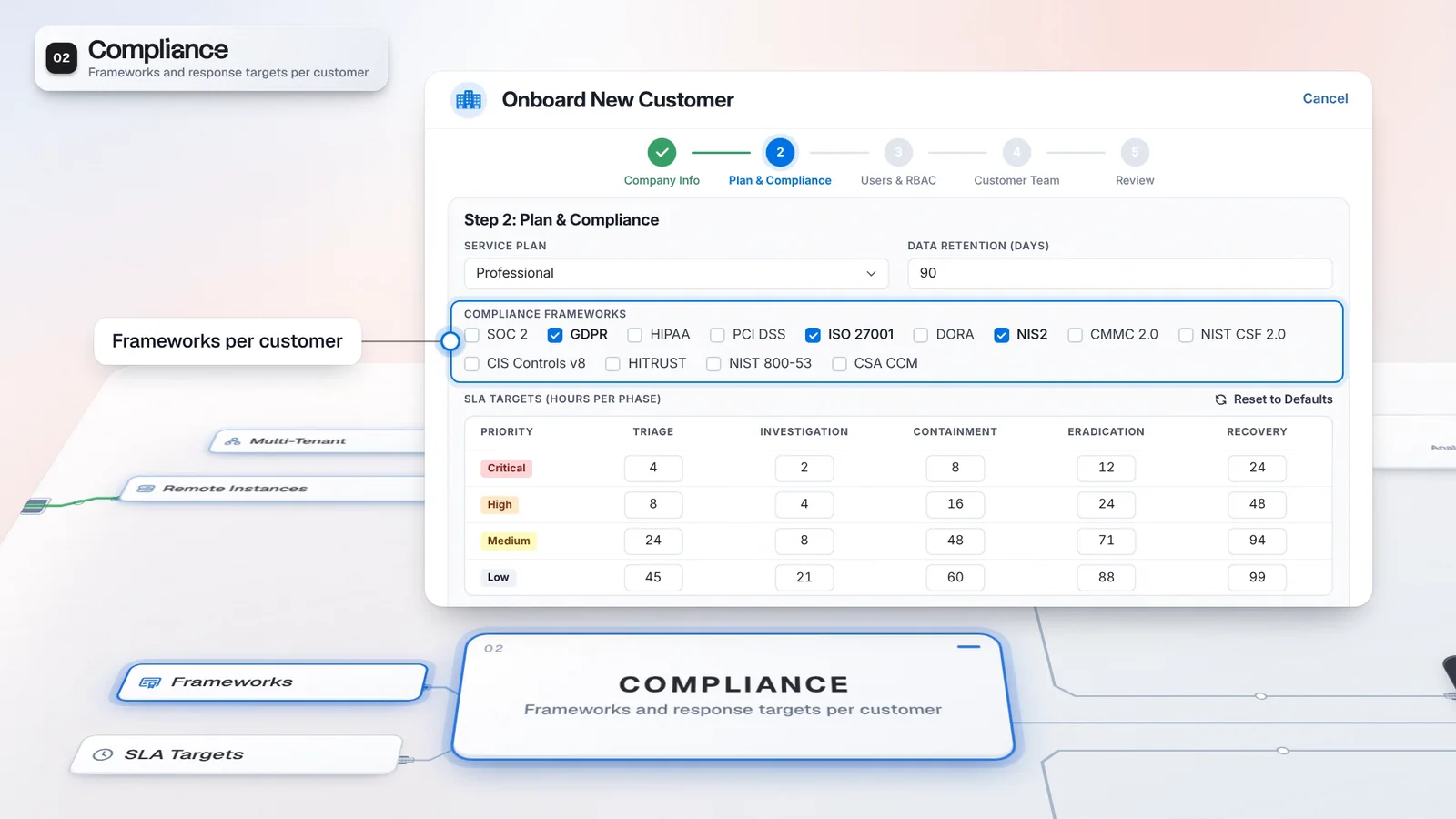
 Start with onboarding



The Binance hack: why an engineer's laptop matters
Binance's early findings point to an engineer's laptop. We follow that path step by step, from the first alert to the decision to cut off access, the way it runs in Imperum.

Automating triage, investigation and response.
Binance's early findings point to an engineer's laptop. We follow that path step by step, from the first alert to the decision to cut off access, the way it runs in Imperum.
A plain-English guide to CTEM: what continuous threat exposure management is, how its five stages work, and what a security team needs before starting.

A plain-English explanation of what a security operations center (SOC) is, what its team does, which tools it uses and where SOC automation fits.

How Virtus Pilot automates the first hour of incident response, and stops for a person exactly where your policy says it should.

DFIR (digital forensics and incident response) is how SOC teams turn an alert into a defensible account of what happened. This guide covers what DFIR is, the evidence that matters on Windows, macOS and Linux, a practical investigation workflow, and how to make DFIR repeatable.

What an agentic SOC is, how it differs from a queue-driven SOC, and how triage, investigation and response approvals change for SOC analysts.
An MCP gateway controls which tools AI agents can call and under what policy. We explain what a gateway checks and how to tell whether your SOC needs one.
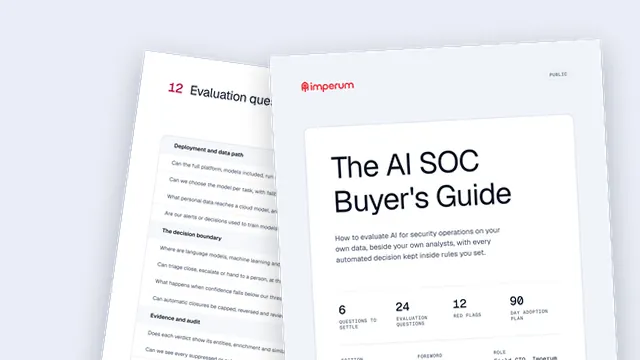
An AI SOC uses AI agents for routine security operations work while people keep policy and approval. For CISOs and SOC leads weighing AI SOC automation.
Plain answers to the questions security teams ask when evaluating SOC automation, AI triage and agentic SecOps platforms, with a checklist for your trial.